Most businesses evaluating RCS messaging ask a generic question: does RCS work in India? A far more useful question is: does RCS work for my specific customer base? These are not the same thing. India’s overall RCS coverage is genuinely strong, but any individual business’s actual reach depends entirely on the specific mix of operators, devices, and locations its own customers happen to fall into. Running a quick audit of your own contact list before committing budget to an RCS campaign takes very little effort and tells you far more than any general industry statistic ever could.
Step One: Understand What You’re Actually Auditing For
An RCS readiness audit really comes down to three variables layered on top of each other: which telecom operator each contact is on, what kind of device they are using, and whether their specific network configuration supports RCS Business Messaging at the moment a message is sent. None of these need to be perfectly known in advance for every single contact, since a well-built RCS platform handles the uncertainty automatically through fallback logic, but understanding the general shape of your audience across these three dimensions helps set realistic expectations before a campaign goes live, rather than being surprised by the results afterward.
Step Two: Look at Your Existing Customer Data You Likely Already Have
Most businesses already possess more relevant data than they realise. If a business has ever collected app analytics, its existing data almost certainly includes device information, revealing what share of the customer base is on Android versus iOS. Payment or delivery records often already capture city and locality information, which offers a rough proxy for network quality, since RCS support tends to be more consistently strong in metro and Tier 1 areas compared to certain rural pockets still catching up. Even a business with no formal analytics can often make a reasonable estimate simply based on general knowledge of its own customer demographic and the broader Android-heavy composition of the Indian smartphone market.
Step Three: Run a Genuinely Small Test Before a Full Campaign
Rather than committing an entire contact list to a first RCS campaign, sending a modest test batch, even just a few hundred contacts drawn to reasonably represent the wider list, provides real delivery data specific to your own audience rather than relying on general market statistics. A properly configured platform will report exactly what share of that test batch received the rich RCS message versus the automatic SMS fallback, giving a business an actual reach figure to work with rather than an estimate. This test also surfaces any issues with message rendering or interactive elements on real devices before they show up in a much larger campaign, where a mistake would be considerably more costly to fix after the fact.
Step Four: Interpret the Results Honestly
A test batch showing a strong majority of contacts receiving the rich RCS experience is a good signal to proceed with a full campaign. A lower than expected RCS delivery rate does not necessarily mean the channel is a poor fit; it might simply mean a business’s specific audience skews toward older devices, a particular telecom operator with more limited RCS rollout in certain regions, or areas where network coverage for RCS specifically remains less mature. In either case, the automatic SMS fallback ensures no message is genuinely lost, so even a lower RCS delivery rate does not translate into a lower overall reach, only a smaller share of the audience seeing the enhanced, richer version of the message rather than the plain-text fallback.
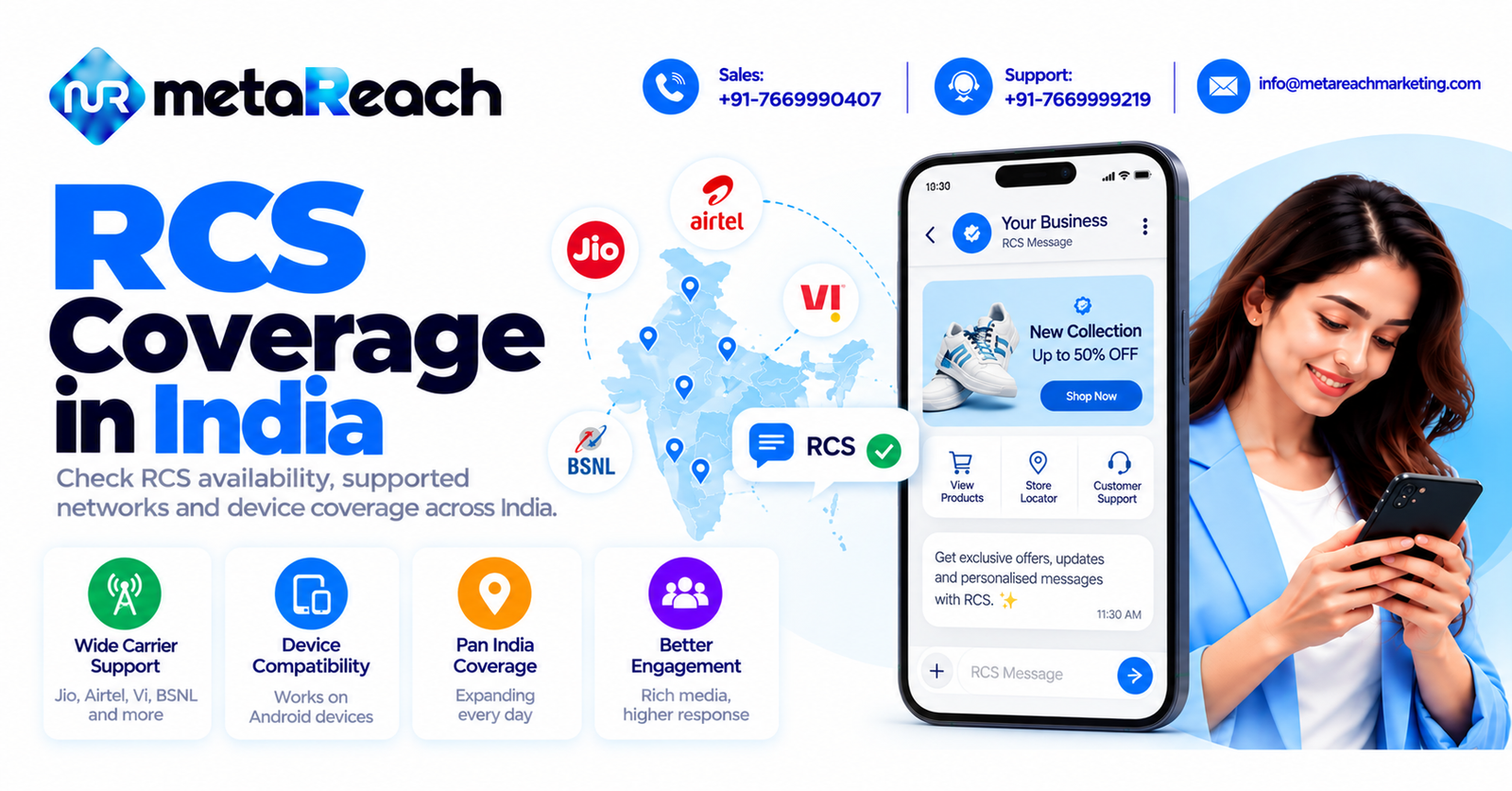
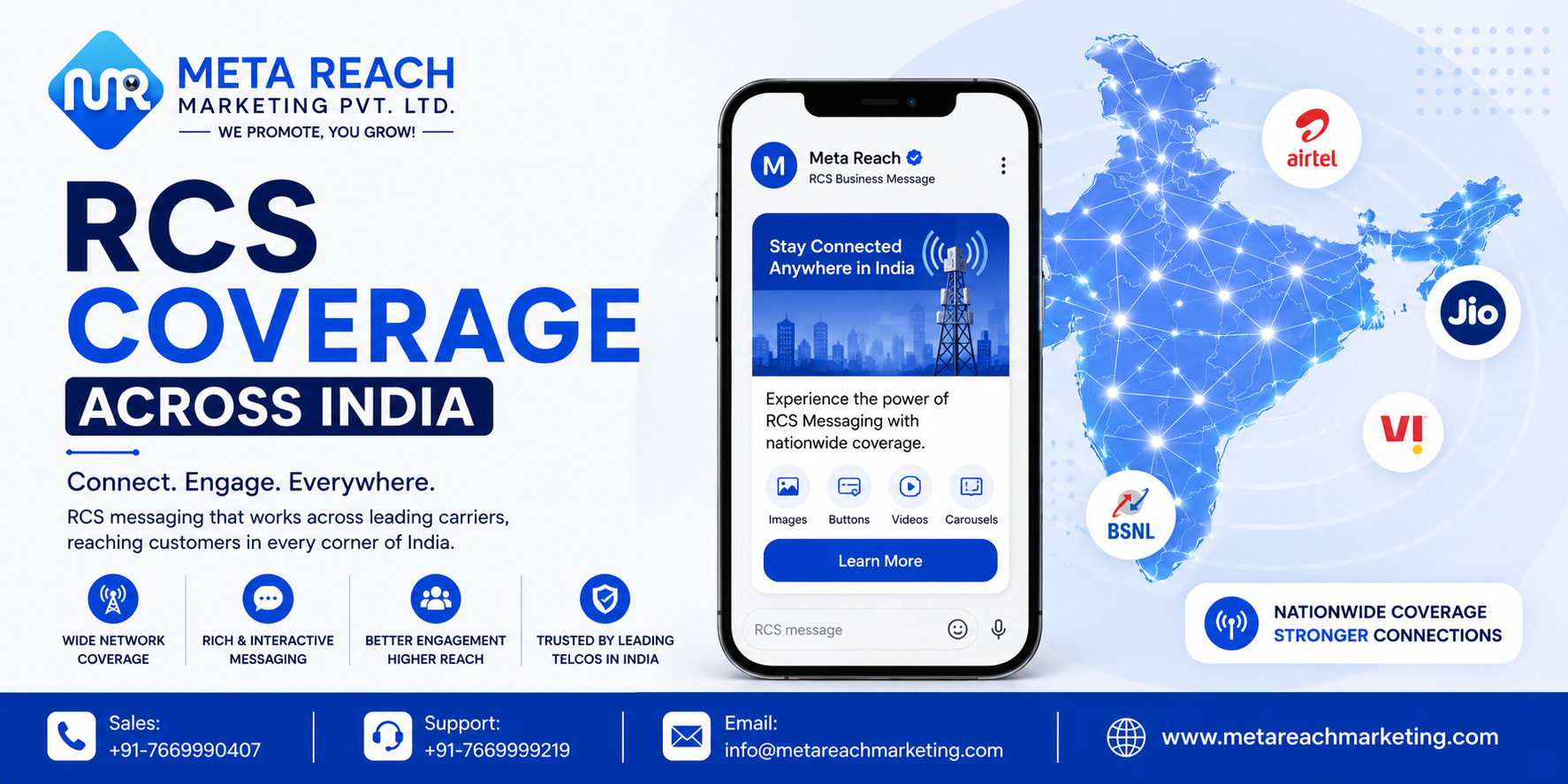
For a full breakdown of current operator support, device compatibility, and how automatic SMS fallback protects total reach regardless of a specific audience’s RCS readiness, this RCS coverage guide for India lays out the complete network and device landscape in detail.
Step Five: Decide Which Campaigns Are Worth Testing First
Not every message benefits equally from RCS, so it makes sense to run this audit and test process against the campaigns most likely to show a clear return, rather than against every message a business currently sends. A promotional campaign with strong visual content, like a product launch or a seasonal offer, is a good candidate to test first, since the improvement over plain SMS is immediately visible in the message itself. A routine transactional alert with no visual component may show a smaller improvement, making it a lower priority for an initial test even if it is technically compatible with RCS.
What to Do If Your Audience Skews Toward Lower RCS Coverage
If a test batch reveals a customer base with meaningfully lower RCS readiness than the national average, whether due to device age, operator mix, or regional network maturity, this does not necessarily rule out RCS entirely. It simply means the immediate return may be smaller than for a more RCS-ready audience, and it may make sense to revisit RCS again in a year or two as device upgrades and network rollout continue to progress across the country. In the meantime, the automatic SMS fallback already built into a properly configured platform ensures the business loses nothing by testing, since every contact still receives some form of the message regardless of their specific RCS compatibility.
Businesses across India wanting to test their own audience’s specific RCS readiness before committing a larger campaign budget can explore what MetaReach Marketing offers as a direct-integration RCS platform with Jio, Airtel, and Vi, complete with detailed per-message delivery reporting and automatic SMS fallback for guaranteed reach.
In short, the right question about RCS is never a generic yes-or-no about the whole country, but a specific, testable question about your own customer base. A small test batch and an honest look at your existing customer data tells you far more about your real RCS readiness than any national coverage statistic, and it costs almost nothing to find out before committing a full campaign budget.