If you have ever texted a keyword to a five-digit number to enter a contest, claim a discount, or vote for your favourite contestant on a reality show, you have already used short code SMS. It feels simple from the customer’s side — type a word, hit send, get an instant reply. But behind that one text message sits a carefully engineered communication system that Indian businesses are increasingly relying on to capture leads, run promotions, and stay compliant with telecom regulations, all at the same time.
Short codes are not new, but their role in Indian marketing has changed a lot over the last few years. As inboxes get noisier and app-based engagement gets harder to sustain, brands are going back to a channel that almost everyone actually opens: SMS. And short code SMS, in particular, is proving to be the most interactive and scalable version of that channel.
What Makes a Short Code Different From a Regular Number
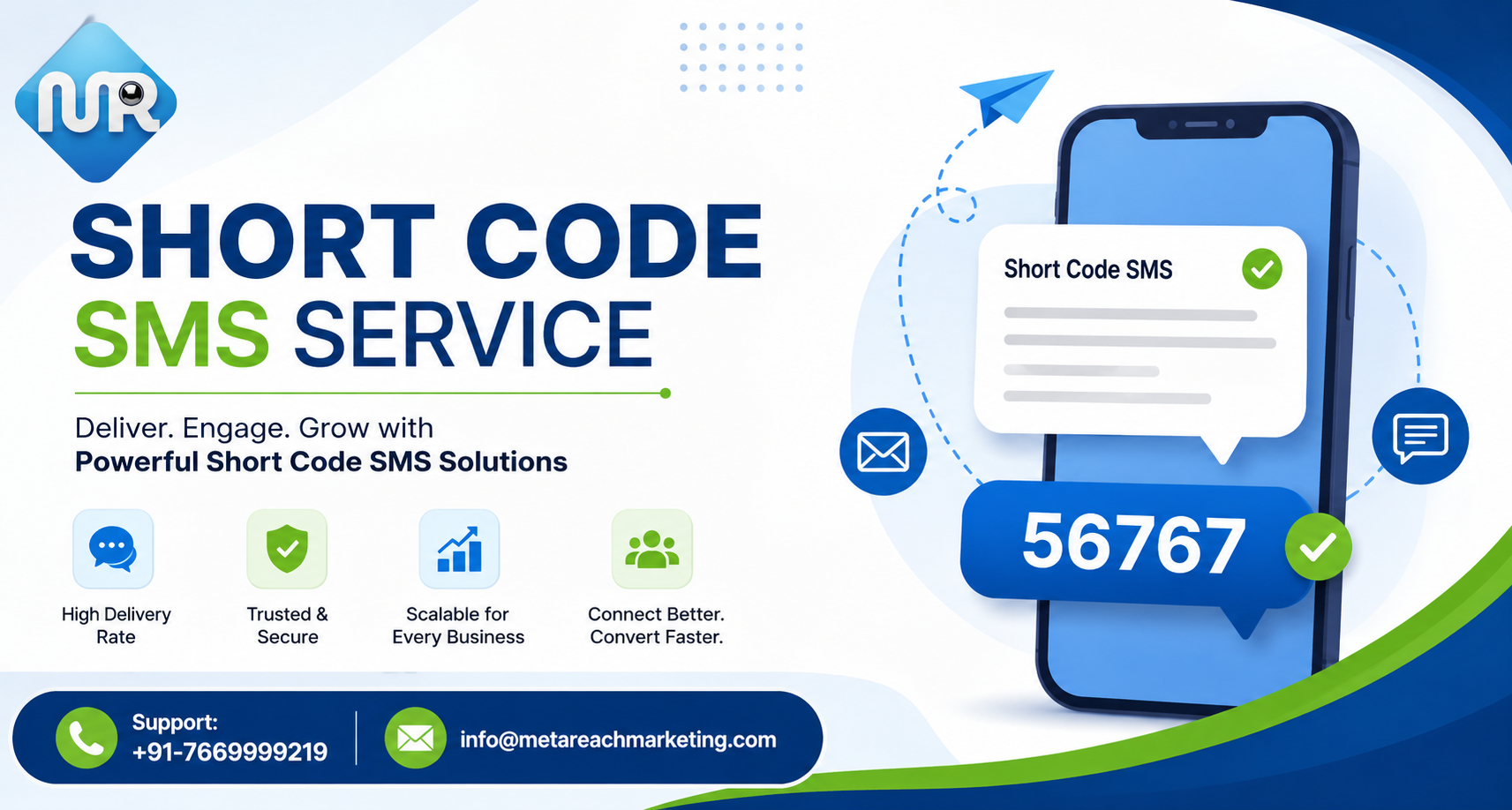
A short code is a five or six-digit number that telecom operators reserve specifically for business messaging, as opposed to the ten-digit numbers used for personal calls and texts. Because these numbers are provisioned for application-to-person traffic, they can push out thousands of messages every second without getting throttled or flagged as spam. A regular ten-digit number simply cannot do that at scale — it is built for one-to-one conversation, not for a flash sale reaching fifty thousand people in a few minutes.
There are two flavours of short codes worth knowing about. A dedicated short code belongs entirely to one brand, so every message sent from it is unmistakably yours. A shared short code, on the other hand, is split between multiple businesses that each get their own keyword — think of it as renting a desk in a shared office instead of leasing the whole floor. Shared codes cost less and suit businesses that just need a straightforward keyword campaign, while dedicated codes make more sense for brands that want full ownership and long-term recognition.
The Keyword Opt-In Flow — Why It Works So Well
The real magic of short code SMS is the keyword opt-in. A customer sees an ad — on a billboard, in a store, during a TV break — that says something like ‘text DEAL to 56677 for 20% off.’ They send it, and within seconds they get an automatic reply with the discount code or the next step. No app download, no landing page, no form to fill out. That single text is also a consent-based opt-in, which means the business now has a warm lead who actually asked to be contacted, instead of a name pulled from a purchased list.
This is also what makes short codes genuinely two-way. Businesses can run polls, contests, and feedback campaigns where the customer texts back a response, and the system logs it instantly. Compare that to a one-way promotional blast that customers only ever read — short code SMS turns a passive audience into people who are actually participating.
Compliance Is Not Optional, and That Is a Good Thing
Every commercial SMS sent in India has to go through TRAI’s DLT framework, and short codes are no exception. Before a business can send a single promotional or transactional message, it needs to register its sender identity, templates, and use case on the DLT platform. This sounds like paperwork, but it is actually what keeps the entire ecosystem usable — it is the reason short code messages land in the inbox instead of getting silently blocked, and it is the reason customers trust these numbers enough to text back.
Getting a dedicated short code approved usually takes about fifteen to thirty business days, while a shared short code with keyword registration can be live in seven to fifteen days. The timeline mostly depends on how complete the application is — incomplete documentation is the single biggest reason approvals get delayed.
Where Short Codes Actually Get Used
The use cases stretch across almost every industry. Retail brands run flash-sale and loyalty campaigns through keyword opt-ins. Banks and fintech platforms lean on short codes for one-time passwords because the delivery speed is unmatched by a regular number. Real estate and education businesses use them to capture inbound enquiries from print and outdoor ads. Even government bodies and hospitals use dedicated short codes for emergency alerts, because when a message absolutely has to reach thousands of people in seconds, a short code is the only channel built for that job.
For businesses in Delhi NCR that are weighing whether a short code is worth the setup effort, it helps to look at the complete picture — the registration process, the cost structure, and the difference between shared and dedicated codes. A detailed breakdown of all of this, including how the keyword opt-in flow works step by step, is covered in this short code SMS service guide, which walks through pricing, approval timelines, and real use cases specific to the Indian market.
Getting Started Without Overcomplicating It
Setting up a short code doesn’t have to be a drawn-out technical project. It typically starts with identifying whether your messages are promotional, transactional, or service-related, since TRAI treats each category differently. From there, you choose between a dedicated or shared code, register your keyword, complete DLT compliance, and connect the whole thing to your CRM through an API so leads flow in automatically instead of needing manual tracking.
Agencies that manage this end-to-end tend to make the process far less painful, since they already know which documentation operators expect and where applications typically get stuck. Meta Reach Marketing is one such Noida-based communication agency that handles short code registration, keyword setup, and campaign management for businesses across Delhi NCR and pan-India, alongside its broader suite of bulk SMS, WhatsApp Business API, and digital marketing services.