A startup or SME with a genuinely limited monthly marketing budget faces a harder version of the allocation problem a large enterprise deals with. A big company can afford to run every channel simultaneously and let data sort out what works. A smaller business has to make a real bet on where a limited number of rupees will do the most good, and getting that allocation wrong wastes money a business genuinely cannot spare to waste. The right split depends less on any universal formula and more on a business’s specific stage, sales cycle, and what kind of buying decision its customers are actually making.
Start With the Channel That Matches Your Sales Cycle
A business selling something customers buy on impulse or with minimal research, a retail product, a food delivery service, a quick consultation, benefits disproportionately from immediate-reach channels like bulk SMS and WhatsApp, since the gap between seeing a message and making a decision is short. A business selling something genuinely considered, real estate, enterprise software, a long-term service contract, needs channels that can nurture a longer decision timeline, which is where SEO and content-driven strategies tend to earn their keep, since they capture a customer’s attention early in research and keep a business visible across the weeks or months a real decision actually takes.
Why Messaging Channels Deserve a Larger Early Allocation Than Businesses Expect
For a business just starting to build a marketing budget, bulk SMS and WhatsApp tend to offer the fastest path to measurable results relative to spend. Both channels reach an existing customer or lead list almost immediately, without the multi-month runway SEO typically needs before showing meaningful movement, and both come with genuinely low entry costs at small volumes. This makes them a sensible place to prove out messaging and offers cheaply before committing a larger budget to a channel like paid advertising, where a poorly tested message can burn through spend quickly with little to show for it. Testing an offer’s core appeal on an existing list via SMS or WhatsApp first, then scaling the version that performs best into a paid campaign, is a considerably more capital-efficient sequence than reversing the order.
Why SEO Deserves Budget Even Though It Won’t Show Results This Month
It is genuinely tempting for a budget-constrained business to skip SEO entirely in favour of channels with faster, more visible returns. This is a reasonable short-term instinct but a costly long-term mistake, since SEO is the one channel that keeps generating traffic without an ongoing per-click or per-message cost once rankings are established. A business allocating zero budget to SEO in its first year is essentially guaranteeing it will still be paying for every single visitor through ads or messaging a year from now, with no compounding asset building underneath that spend. Even a modest, consistent SEO investment alongside faster channels tends to pay off considerably by the second year, once early content and technical groundwork start converting into free organic traffic.
Why Paid Ads Should Usually Come After the Fundamentals, Not Before
Paid advertising is often the first thing a new business wants to invest in, since it promises immediate visibility, but it tends to work best once a business has already validated its core messaging through cheaper channels and has a functioning website or landing page ready to actually convert the traffic ads bring in. Spending on ads before this groundwork is in place often means paying to send visitors to a page that was never properly tested for conversion, which wastes a meaningful share of an already limited ad budget on traffic that never had a real chance to convert in the first place. Sequencing paid spend after basic website and messaging validation, rather than as the very first line item, tends to produce a considerably better return.
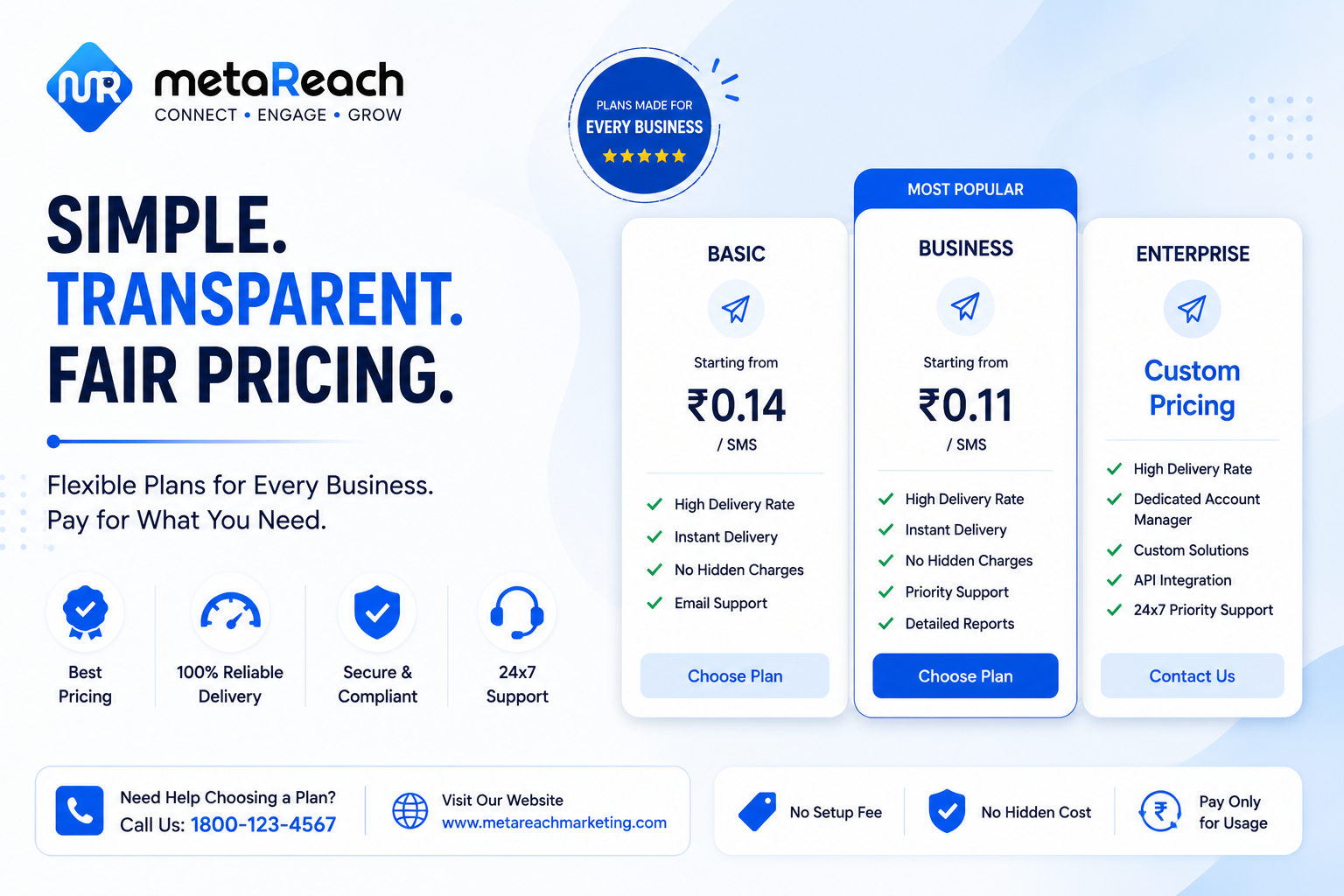
For a complete, transparent breakdown of pricing across bulk SMS, WhatsApp, SEO, social media, web design, and paid advertising, this pricing plans page lays out exact plan tiers and inclusions for every service in detail.
A Realistic Starting Split for a Genuinely Small Budget
For a business working with a genuinely constrained monthly budget, a reasonable starting allocation weights messaging channels most heavily in the first few months, since they validate offers cheaply and reach an existing audience immediately, while dedicating a smaller but consistent portion to SEO groundwork that will compound over the following year. Paid advertising can start modestly once messaging tests reveal which offers and audiences actually respond, scaling up only once a landing page is confirmed to convert reasonably well. Social media, similarly, works best layered in once a business has some initial content and creative assets to actually populate a feed with, rather than being the very first spend before anything else exists to promote.
Why This Split Should Shift as a Business Grows
The right allocation is not static. As SEO content and rankings mature, a business can often reduce its reliance on paid advertising for the same volume of traffic, freeing up budget to reinvest elsewhere. As a WhatsApp or SMS contact list grows and segments become more refined, messaging campaigns tend to become more efficient per rupee spent, which can justify shifting some budget toward newer channels like RCS or expanded social media investment. Reviewing this allocation every few months against actual results, rather than setting a budget split once and leaving it unchanged for years, keeps spend aligned with what is genuinely working rather than what made sense when the business first started.
Startups and SMEs across India looking to build a marketing budget that sequences spend sensibly across messaging, SEO, and paid advertising can explore what MetaReach Marketing offers with transparent, itemised pricing across every channel and guidance on building the right mix for a specific business stage.