

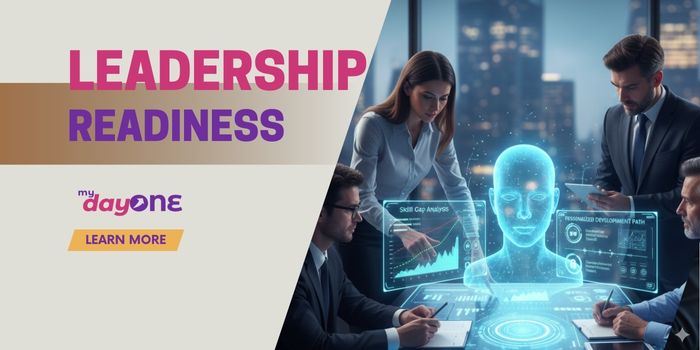
In the dynamic landscape of modern business, human resource management (HRM) has evolved far beyond traditional functions like payroll and compliance. Today, the primary mandate of HRM is to build a future ready organization. At the core of this change is the readiness of leadership.
Organizations that proactively cultivate leaders at every level experience:
- Higher employee retention.
- Faster innovation.
- Stronger financial performance.
However, an important gap exists: Research shows that most managers are selected for the wrong reasons, highlighting a significant flaw in global leadership pipelines. For HR professionals, the immediate question is not whether leadership preparation matters, but how to make it a central pillar of their HRM strategy today.
Why Leadership Readiness Must Be Your Top HRM Priority
Leadership readiness is more than just traditional training. It is the structured, ongoing process of:
- Identifying high-potential talent early.
- Assessing their current capabilities and potential.
- Closing critical gaps before they step into larger roles.
It is not enough to simply promote employees with the most tenure. Organizations that treat leadership preparation as an ongoing HRM discipline – rather than a one-time annual exercise – are 2.3 times more likely to outperform their competitors.
Especially in competitive markets like India, where senior-role attrition can be high, having a “ready-now” bench of internal leaders is the difference between achieving seamless growth and suffering costly business disruption.

Practical Steps to Embed Leadership Readiness in Your HRM Strategy
1. Shift from Succession Planning to Readiness Mapping
- Move beyond static organizational charts.
- Utilize advanced tools like 9-box grids, psychometric assessments, and AI-powered tools to evaluate both performance and potential.
- Action: Turn raw talent data into clear, actionable readiness profiles.
2. Create Personalized Leadership Acceleration Plans
- One-size-fits-all training is ineffective for high-potential talent.
- Provide stretch assignments, executive coaching, and exposure to cross-functional projects.
- Approach: Blend digital learning with challenging, real-world experiences to significantly improve readiness scores.
3. Measure What Matters (Leading Indicators)
- Don’t just track course completion rates.
- Focus on leading indicators such as:
- 360-degree feedback trends.
- Decision-making speed in simulations.
- Emotional intelligence scores.
- Benefit: These metrics provide HR leaders with the hard evidence needed to justify development budget to the board.
4. Foster a Feedback-Rich Culture
- Leaders develop fastest when feedback is frequent and the environment is psychologically safe.
- Implement simple, high-impact habits like monthly skip-level meetings and anonymous upward feedback mechanisms to dramatically accelerate readiness.
The Measurable ROI of Leadership Readiness
Prioritizing internal leadership pipelines does more than just avoid expensive external hiring. It creates powerful internal role models who inspire others to stay and grow.
- McKinsey research shows that companies with strong internal pipelines see 22% higher revenue growth and significantly lower voluntary turnover.
- For globalizing businesses, having leaders who are culturally agile, digitally fluent, and resilient is a foundational requirement for success.
The best time to prepare your next CEO was five years ago. The second-best time is right now.


