There’s a simple reason WhatsApp keeps coming up in every conversation about customer communication: it’s where people already are. Not the app they occasionally check, not the inbox that fills up with promotions they never read — the one they open dozens of times a day to talk to family, friends, and increasingly, the businesses they buy from. For companies trying to reach customers somewhere they’re already paying attention, that everyday familiarity is hard to replicate on any other channel.
That’s exactly the gap the WhatsApp Business API was built to close — giving businesses a structured, scalable way to use the platform for real customer conversations, not just casual one-to-one chats.
What the API Actually Enables
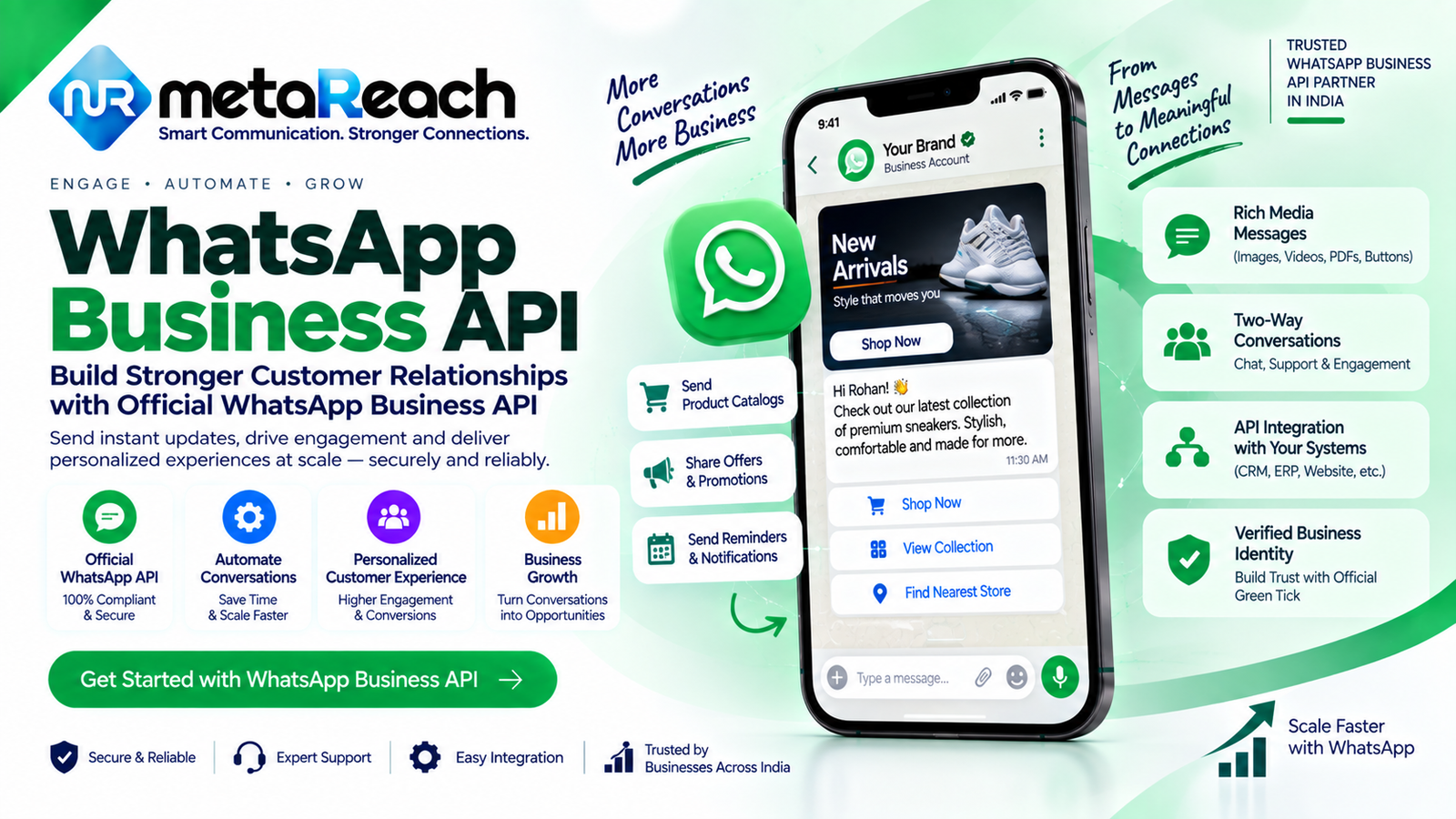
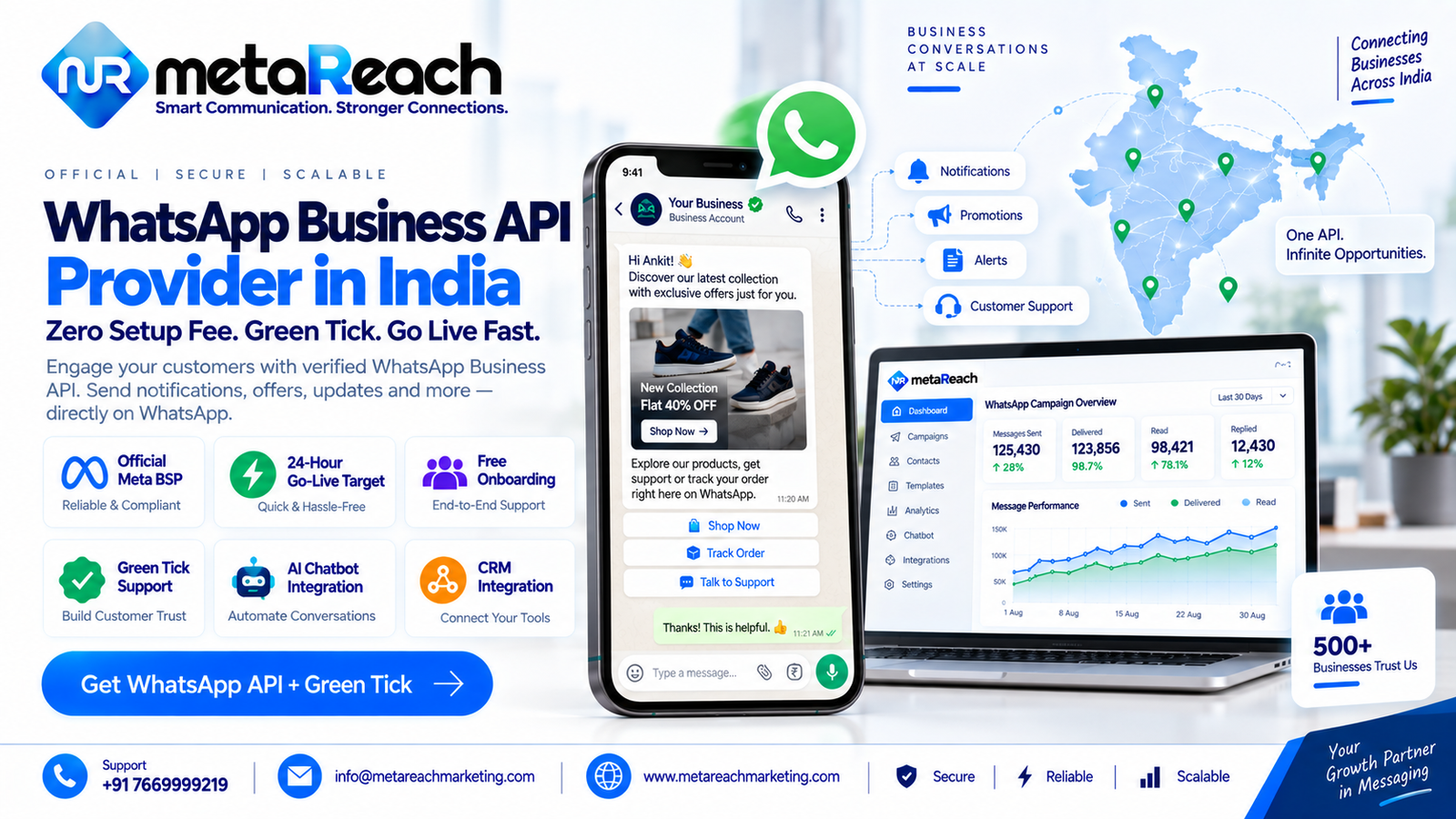
The Business API isn’t the same as the free WhatsApp Business app most small shops use. It’s built for companies that need to manage conversations at volume, across teams, and often integrated directly into their existing systems. With it, businesses can automate responses to frequently asked questions so customers get instant answers outside working hours, send rich media like images, documents, and location pins instead of plain text, and hold real-time, two-way conversations that let support teams resolve issues immediately rather than trading emails back and forth for days.
Notifications and reminders run through pre-approved message templates, which keeps every automated message consistent, professional, and compliant with WhatsApp’s own messaging policies. And because every interaction is trackable, businesses get visibility into delivery rates, read rates, and response times — data that’s simply unavailable on personal WhatsApp accounts.
Why Businesses Are Moving Fast on This Channel
The numbers explain the shift better than any pitch could. Open rates on WhatsApp routinely outperform email and app push notifications by a wide margin, largely because it’s a channel people check instinctively rather than one they’ve learned to ignore. Customers also increasingly expect it — being able to message a business the same way they message a friend, rather than filling out a contact form and waiting for a reply, has quietly become a baseline expectation rather than a nice-to-have.
For businesses handling order updates, appointment confirmations, delivery tracking, or support queries, that combination of high visibility and low friction translates directly into fewer missed messages, faster resolutions, and noticeably higher customer satisfaction.
Getting Started the Right Way
Rolling out the WhatsApp Business API isn’t a plug-and-play process, and rushing it usually causes more problems than it solves. It starts with choosing a reputable, Meta-approved provider rather than an unverified reseller, since account quality and message deliverability depend heavily on that choice. From there, businesses need to complete account setup and verification correctly, connect the API to their existing CRM or support systems so conversations don’t live in a silo, and build out message templates for the most common notifications and responses before going live.
Just as important is training the team using it. A powerful API still needs people who understand how to keep conversations professional, respond within policy guidelines, and use automation to support customers rather than frustrate them with rigid, robotic replies.
Where Businesses Commonly Get This Wrong
The most frequent mistake is treating the API purely as a broadcast tool — blasting promotional messages without the same care a business would put into email segmentation. WhatsApp’s policies are stricter than email about unsolicited promotional content, and a poorly managed account can quickly see message quality ratings drop, which throttles delivery and undermines the whole investment. The businesses that get real value from this channel treat it as a conversation tool first and a marketing channel second, using template messages thoughtfully rather than constantly.
Choosing the Right Implementation Partner
This is where the right partner makes a measurable difference. Providers like MetaReach Marketing help businesses navigate provider selection, account setup, template approval, and CRM integration end to end, so the rollout doesn’t stall on technical or compliance hurdles. When evaluating an implementation partner, it’s worth asking specifically about template approval turnaround times, integration support for your existing tools, and ongoing guidance on maintaining message quality — those details usually decide whether the API becomes a genuine asset or an underused feature.
The Bottom Line
WhatsApp has already become the default way people communicate with each other — and it’s rapidly becoming the default way they expect to communicate with businesses too. The Business API gives companies a structured, scalable way to meet that expectation, turning a channel built for casual conversation into a genuine engine for support, notifications, and customer relationships, without losing the personal, immediate feel that made the platform popular in the first place.