A decade ago, business messaging in India meant one thing: SMS. A short text, a promotional blast, maybe an OTP for a bank login. Today the picture looks very different. Customers expect WhatsApp updates, rich interactive messages, instant callbacks, and voice reminders that all feel personal rather than robotic. For businesses trying to keep up, the challenge isn’t picking one channel — it’s coordinating several of them without losing consistency or control.
Why Single-Channel Messaging Falls Short Today
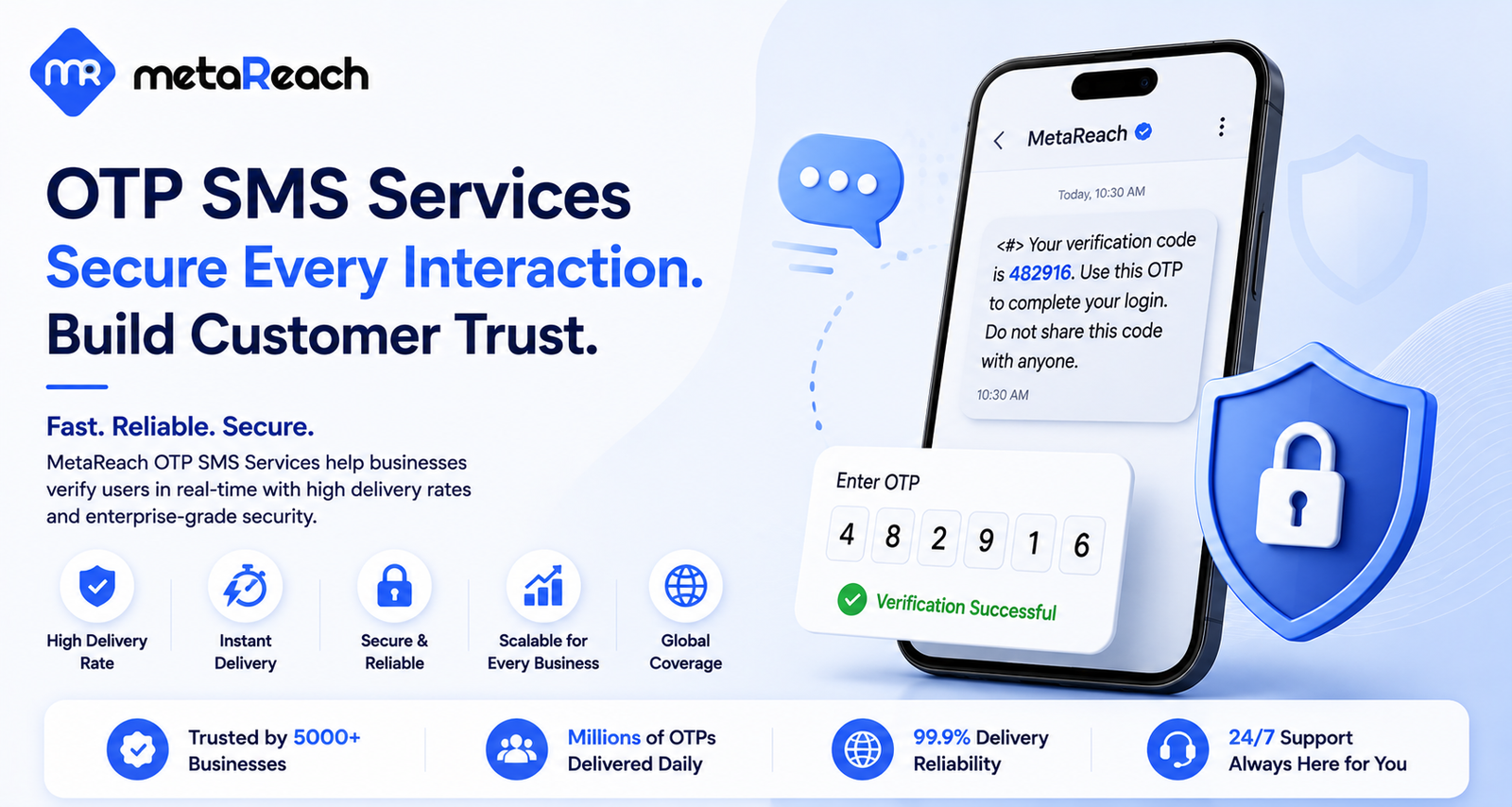
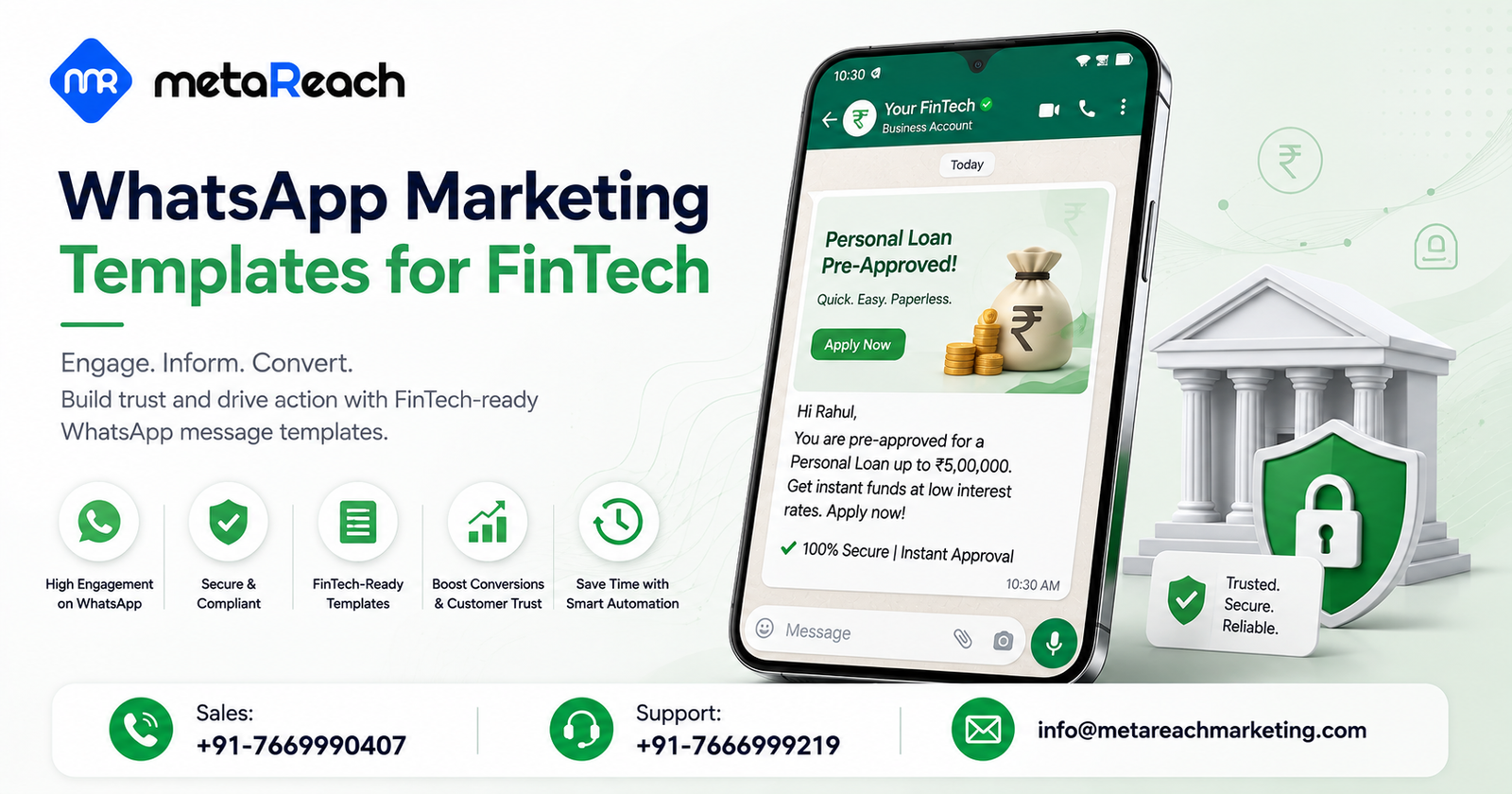
Every messaging channel has a job it does well and a job it does poorly. SMS reaches every phone regardless of internet access, making it irreplaceable for OTPs and urgent alerts, but it can’t carry images or buttons. WhatsApp offers rich media and near-universal adoption among smartphone users in India, but it needs an internet connection and a registered number. Voice calls and IVR reach people who might ignore a text altogether, especially in regions with lower smartphone penetration. Relying on just one of these channels means a business is optimizing for its best-case customer and quietly failing everyone else.
The Shift Toward Unified Messaging Platforms
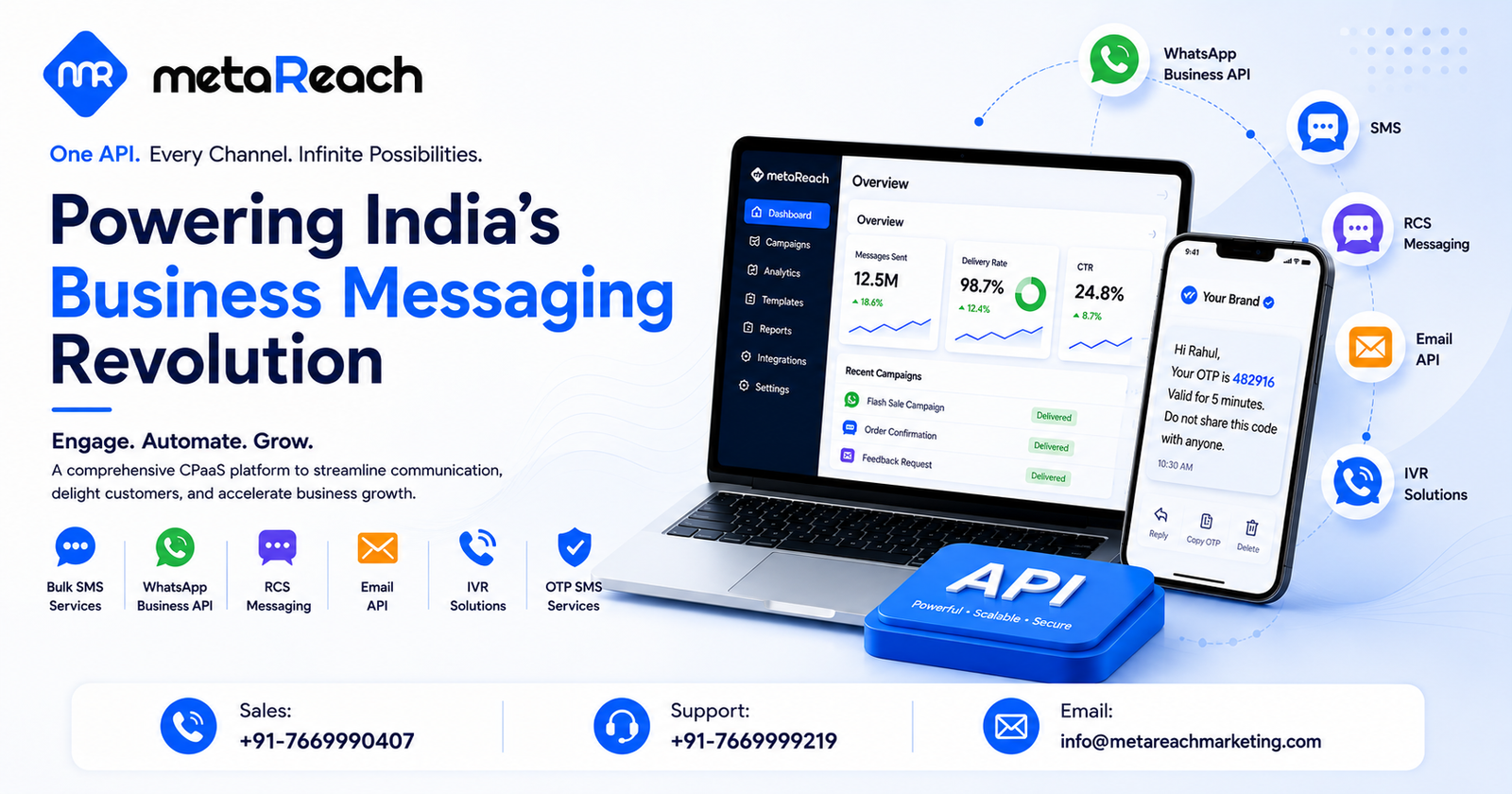
This is why more Indian businesses are moving away from juggling separate vendors for SMS, WhatsApp, voice, and RCS, and instead adopting a single platform that routes messages intelligently across all of them. Instead of manually deciding which channel to use for which customer, a unified system can send a rich WhatsApp message where the customer has an active number, fall back to SMS where they don’t, and trigger a voice call for anything genuinely time-critical. The result is fewer missed touchpoints and a lot less operational overhead for marketing and support teams.
Compliance Isn’t Optional Anymore
TRAI’s DLT (Distributed Ledger Technology) registration framework governs virtually all commercial SMS traffic in India, and it isn’t something businesses can quietly skip. Sender IDs, message templates, and entity registrations all need to be verified before a single promotional or transactional message can legally go out. Businesses that treat this as an afterthought often find their campaigns blocked mid-launch, which is a far more expensive problem to fix under time pressure than to plan for upfront. A messaging partner that handles DLT registration as part of onboarding — rather than leaving it entirely to the business — tends to save weeks of back-and-forth with TRAI’s portal.
Why RCS Is Becoming Part of the Conversation
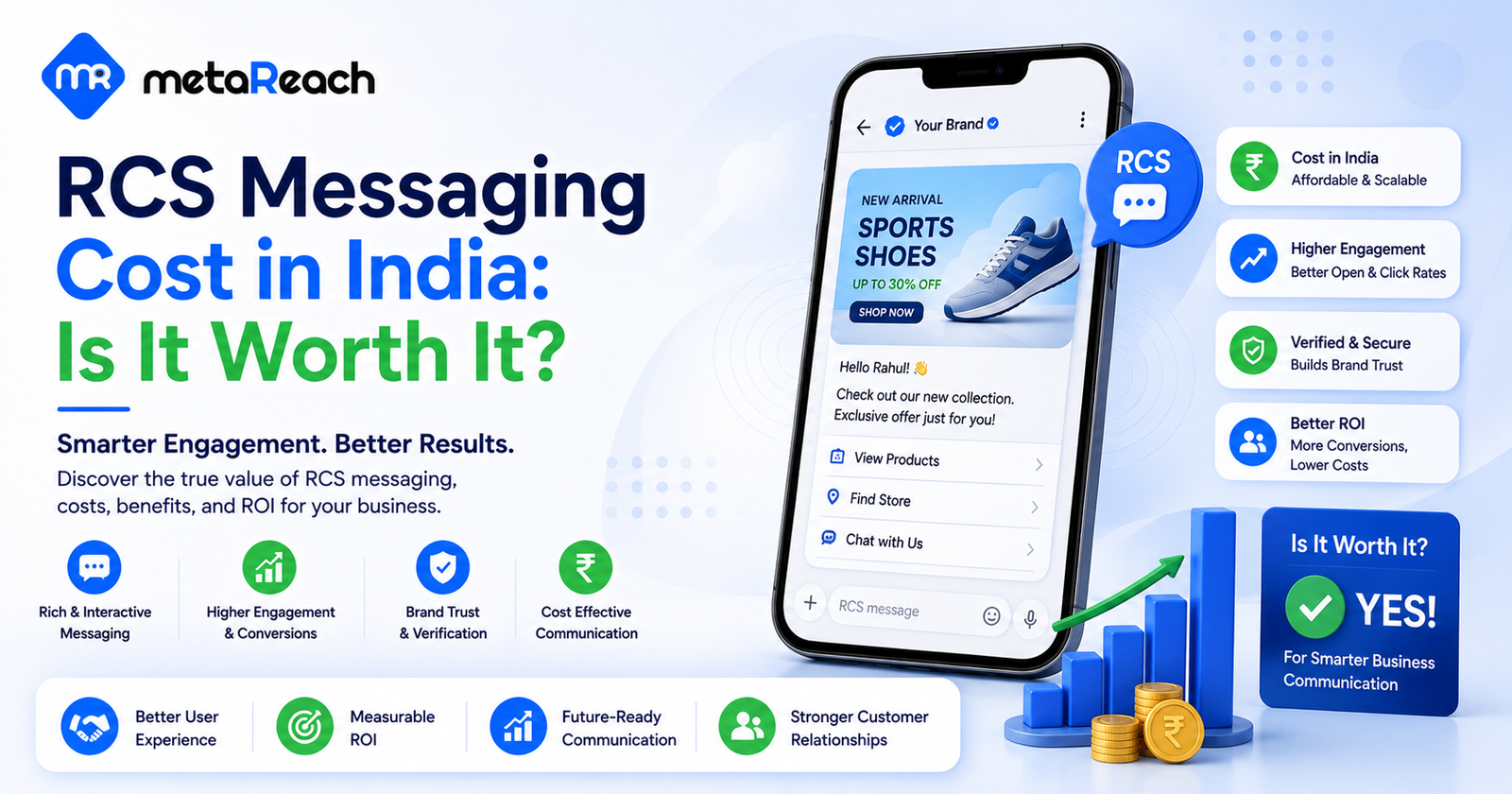
RCS (Rich Communication Services) is often described as the natural successor to SMS, and for good reason — it supports carousels, quick-reply buttons, and verified sender branding, all inside a customer’s default messaging app with no extra download required. It isn’t a wholesale replacement for SMS yet, since device support still varies, but for messages that benefit from a visual, interactive format — appointment reminders, order tracking, promotional carousels — RCS is increasingly worth testing alongside a business’s existing SMS and WhatsApp mix.
Measuring What Actually Matters
It’s easy for a business to assume its messaging is working simply because messages are being sent. The more useful question is whether they’re being delivered, opened, and acted on. Delivery rate, average delivery time, click-through on interactive messages, and failure reason codes are the metrics that actually reveal whether a messaging setup is doing its job. A platform that hides these numbers behind a vague “message sent” status makes it nearly impossible to diagnose problems before they cost real business — a dropped OTP during checkout, or a promotional campaign that silently underperforms because half the messages never landed.
What to Look for in a Messaging Partner
The businesses getting the most out of their messaging spend tend to look for a few specific things: direct carrier integrations rather than layers of aggregators, transparent per-message pricing without hidden minimums, dedicated routing so transactional messages never queue behind promotional traffic, and real-time delivery reporting that shows exactly what happened to every message sent. Meta Reach Marketing brings all of this together on one platform — combining Bulk SMS, WhatsApp Business API, RCS messaging, and Voice/IVR solutions under a single dashboard, with DLT compliance and carrier-direct delivery built in from day one.
Bringing It All Together
There’s no single messaging channel that solves every business communication problem in India, and pretending otherwise usually leads to gaps that customers notice before the business does. The more sustainable approach is treating SMS, WhatsApp, RCS, and voice as complementary tools, each covering the other’s blind spots. Businesses that get this coordination right tend to see it show up in the numbers that actually matter — fewer failed OTPs, faster response times, and customers who feel like they’re being reached on their own terms rather than being blasted with generic messages.
For businesses looking to consolidate their messaging stack onto one reliable, TRAI-compliant platform, visit MetaReach Marketing’s website to see how their Bulk SMS, WhatsApp API, and RCS services work together for over 500 businesses across India.