A salon chain in Bhopal signed up with a WhatsApp Business API provider quoting what looked like the cheapest rate among four vendors it compared. Six months in, the actual monthly bill was running nearly double the original estimate — not because of any hidden fee exactly, but because nobody on the salon’s side understood how Meta’s conversation-based pricing actually worked, and the provider never bothered explaining it clearly before the contract was signed.
This is one of the more common, avoidable frustrations businesses run into with WhatsApp API pricing, and it rarely comes down to dishonesty. It comes down to a pricing model that looks simple on a rate card and behaves quite differently once real conversations start flowing.
Why Meta’s Conversation-Based Pricing Trips Up First-Time Buyers
Unlike SMS, where every message sent is billed individually, WhatsApp charges per conversation — a 24-hour window during which unlimited messages can be exchanged once it opens. This sounds straightforward until a business realises Meta splits conversations into four categories — marketing, utility, authentication, and service — each priced differently, with marketing conversations sitting considerably higher than the others since they’re business-initiated and promotional.
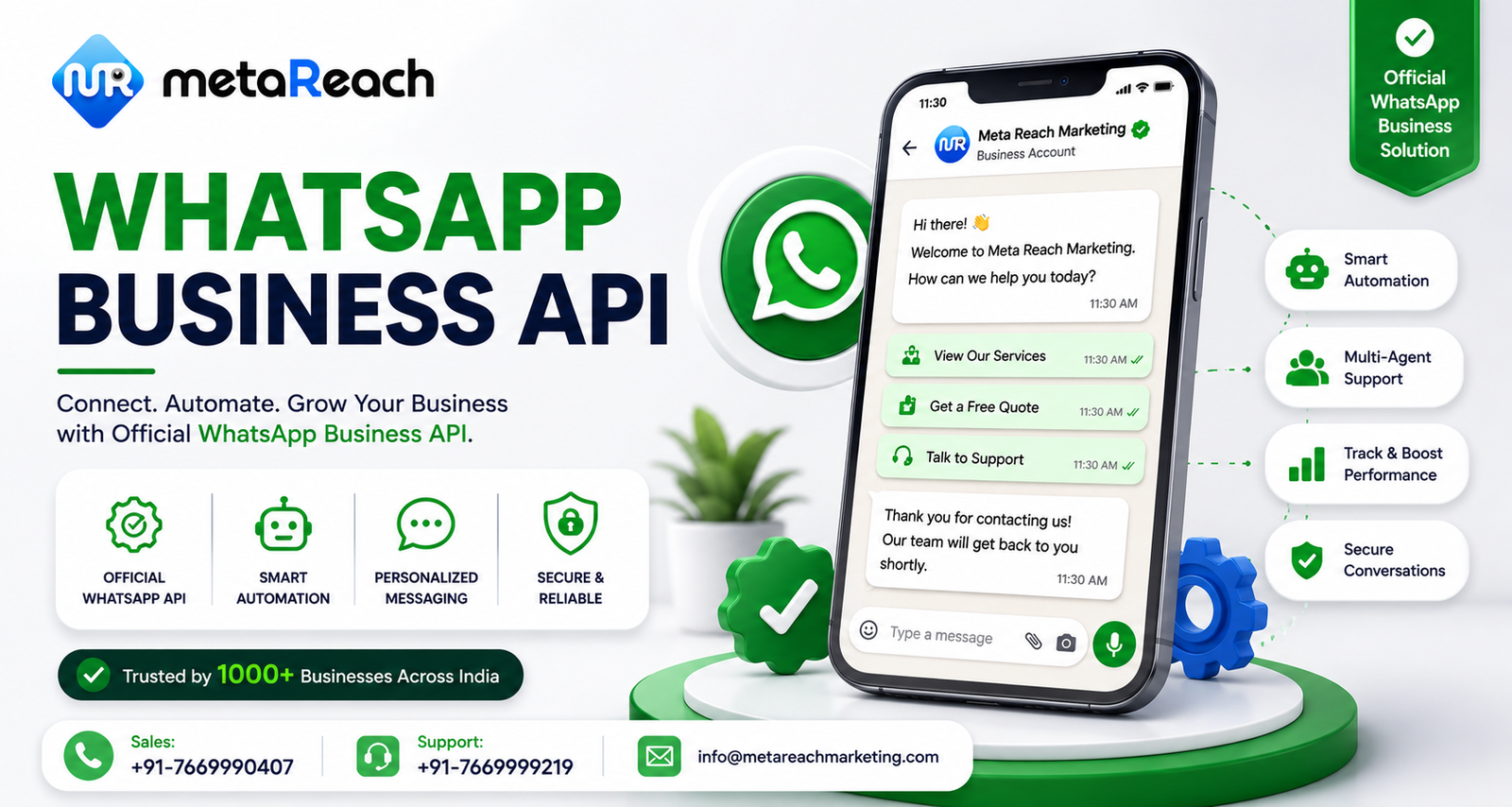
A business evaluating a WhatsApp Business API Provider needs a genuine breakdown of these four categories before signing, not just a single blended rate that hides which category will actually dominate its monthly bill.
Why Message Miscategorisation Is the Silent Bill Inflater
The Bhopal salon’s real problem traced back to appointment reminders — genuinely a utility message — being sent through templates registered under the marketing category, because the original template wording included a small promotional line about a seasonal offer. That single detail pushed every reminder into the highest-priced conversation category, month after month, without anyone realising it until a detailed invoice review finally caught it.
What Should Already Be Included in Any Honest Quote
A handful of things should be considered baseline inclusions rather than premium add-ons: DLT registration support, since it’s mandatory regardless of provider; basic API documentation for connecting the platform to a CRM or booking system; and clear, itemised reporting showing exactly how many conversations fell into each Meta category that month. A provider treating any of these as extra-cost items is worth questioning closely before signing.
A few numbers worth requesting before comparing two quotes side by side:
- A rough monthly conversation estimate broken down by category, based on your actual expected volume
- Whether the quoted rate is per-conversation, or includes a separate monthly platform fee on top
- What onboarding costs, if any, apply for DLT registration and Meta verification
- Whether service conversations — the free, customer-initiated 24-hour window — are billed correctly at zero cost
Why Free-Form Service Conversations Get Overlooked
When a customer messages a business first, that opens a 24-hour service window where replies are free — no template approval, no per-message charge. Businesses that don’t understand this distinction sometimes end up paying marketing or utility rates for replies that should have cost nothing, simply because their integration wasn’t built to recognise which conversation type actually applied to a given exchange.
Comparing Two Providers Fairly
The only reliable way to compare two WhatsApp API quotes is building a realistic monthly estimate for each, using actual expected volume split across the four conversation categories, rather than comparing a single headline number that may represent entirely different assumptions about how a business will actually use the platform.
FAQs
Q1. Does WhatsApp Business API pricing vary by provider, or is it fixed by Meta?
Meta sets the base conversation rate, which is the same across all authorised providers. What varies is everything layered on top — platform fees, onboarding costs, and whether reporting and support are included in the quoted price.
Q2. How can a business avoid accidentally overpaying due to message miscategorisation?
Review template wording carefully during registration to ensure utility messages, like reminders or confirmations, don’t include promotional language that pushes them into the more expensive marketing category, and request monthly conversation-category breakdowns to catch errors early.
Q3. Are customer-initiated replies really free under WhatsApp Business API?
Yes — when a customer messages a business first, a 24-hour service window opens where replies don’t require template approval and aren’t billed as a marketing or utility conversation, provided the integration correctly recognises this window.
Conclusion
WhatsApp Business API pricing isn’t complicated once explained properly, but it’s easy to misunderstand when a provider doesn’t walk a business through Meta’s conversation categories before a contract is signed. Getting a genuine, category-by-category breakdown upfront — rather than a single blended rate — is what prevents the kind of billing surprise the Bhopal salon ran into months into its contract.
To get a transparent, category-wise pricing breakdown, visit Meta Reach Marketing.