Why “Cheapest Per Message” Is the Wrong First Question
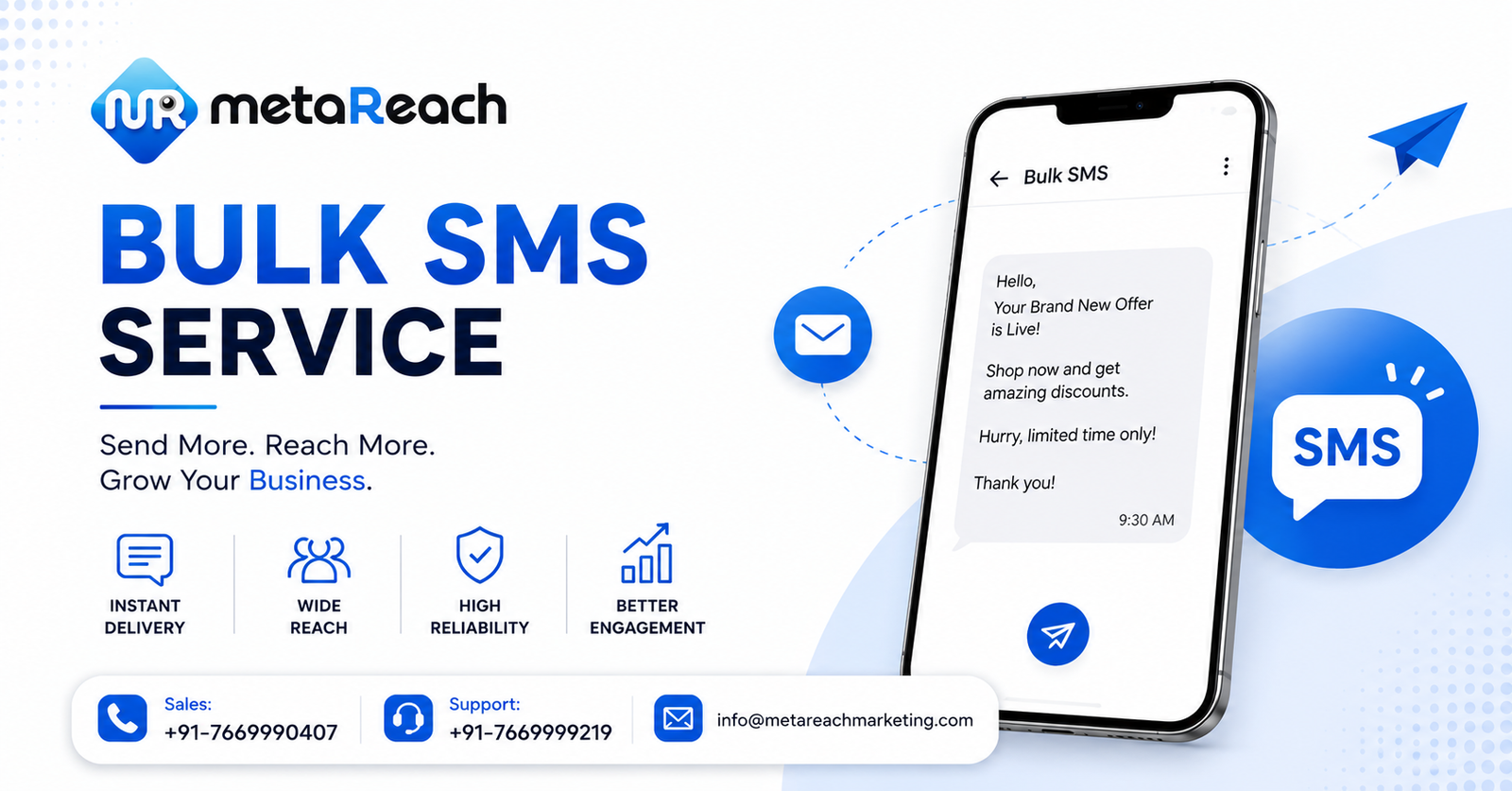
Every rate card in India looks similar at a glance: a few paise for promotional SMS, slightly more for transactional and OTP traffic. What the rate card doesn’t show is how that message actually gets to a phone. Some providers route traffic through several layers of intermediary aggregators before it reaches a telecom network. Others maintain direct connections to major operators, which cuts delivery time and reduces the odds of a message getting stuck in a queue during high-traffic periods.
A business evaluating a Bulk SMS Service Provider should ask about routing infrastructure before asking about price, because a marginally cheaper rate on a weak route often costs more in missed conversions than it saves on the invoice.
DLT Registration: The Step Every First-Time Sender Underestimates
TRAI’s Distributed Ledger Technology framework is mandatory for anyone sending commercial SMS in India — promotional, transactional, or OTP. Skipping it, or getting a template category wrong during registration, doesn’t produce a warning; it produces silent delivery failures. A furniture brand in Pune once had an entire festive-season campaign go out with zero delivery because a template was registered under the wrong category, and nobody noticed until the sale window had already closed.
Delivery Speed Matters More for Some Messages Than Others
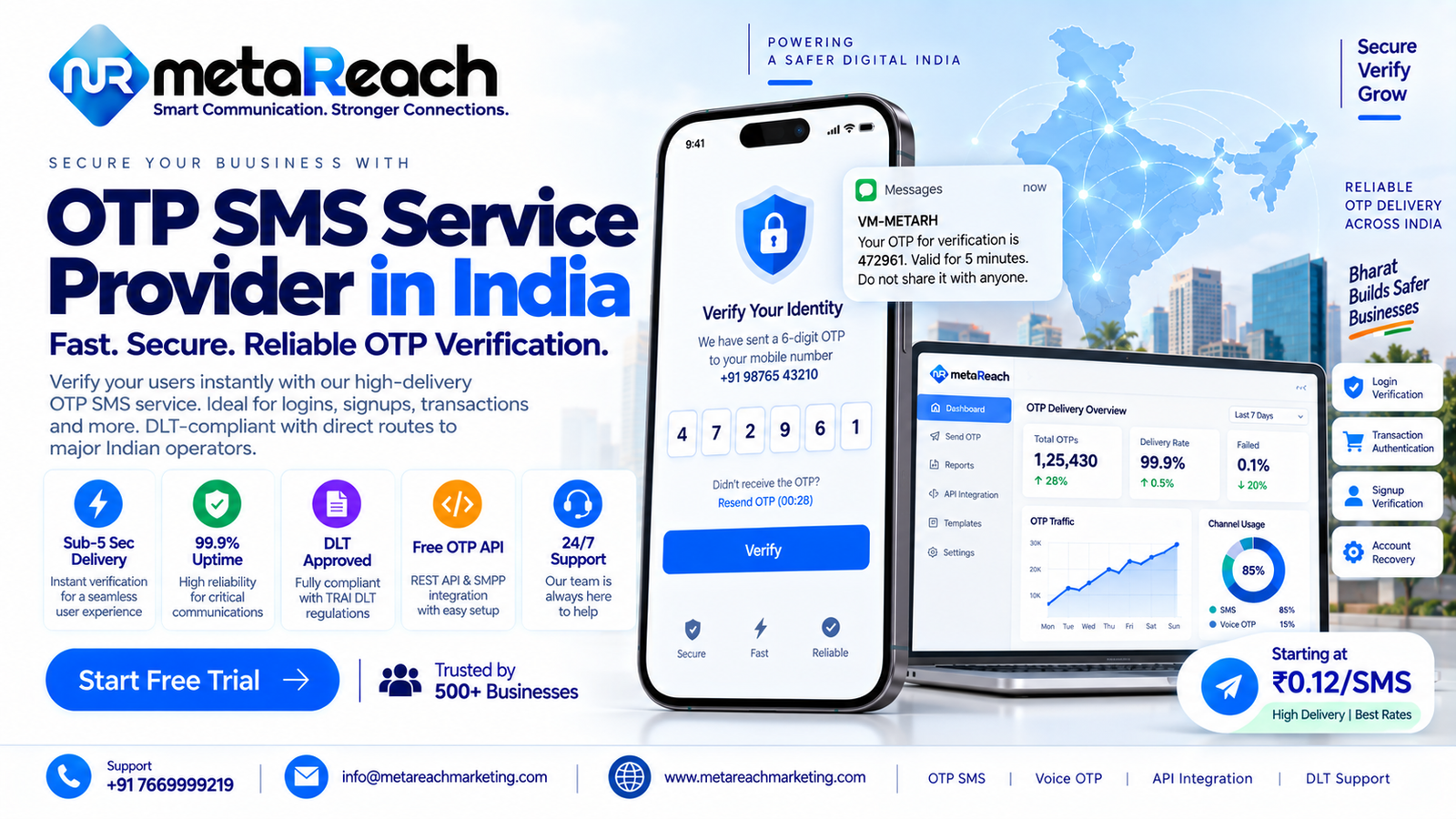
Not every SMS carries the same urgency. A promotional offer arriving a few minutes late barely registers with a customer. An OTP arriving a few seconds late can mean an abandoned checkout or a failed login. This is why serious providers separate transactional and OTP traffic onto dedicated, high-priority routes rather than pushing every message type through the same queue.
For a business running e-commerce checkouts or app-based logins, it’s worth asking a prospective Bulk SMS Service Provider directly what their OTP delivery benchmark looks like under real, peak-hour load — not just on a quiet test send, since the two numbers can differ considerably.
What a Genuinely Transparent Rate Card Looks Like
A trustworthy quote answers a few questions without hesitation:
- Is GST already included in the quoted rate, or added separately at invoicing?
- Does the price include DLT registration support, or is that billed as a separate onboarding fee?
- Is there a minimum monthly volume commitment, and what happens in a slower month?
- Is billing based on confirmed delivery, or on every attempted send regardless of outcome?
A provider that answers all four clearly — in writing, before a contract is signed — is a considerably safer long-term partner than one offering the lowest headline number with vague terms attached.
Why Support Response Time Deserves as Much Weight as Pricing
A campaign failure at 11 PM during a flash sale needs a real person responding within minutes, not a ticket queue that replies the next business day. This is one of the harder things to evaluate from a sales call alone, which is why running a small test campaign before committing to a long-term contract is worth the extra day it takes — it reveals real delivery behaviour and real support responsiveness, rather than a sales pitch alone.
Thinking Beyond SMS as Your Business Scales
A first bulk SMS campaign is rarely where a business’s messaging needs end. As volume grows, it’s worth checking whether a provider also supports API integration for CRM or website automation, and whether the same platform can extend into WhatsApp or voice messaging later without requiring a full migration.
Businesses researching Bulk SMS India providers often find it easier to start with one channel and expand within the same platform than to switch vendors mid-growth.
FAQs
Q1. Is bulk SMS still effective in India given how popular WhatsApp has become?
Yes — SMS remains the only channel with universal reach, since it works on any mobile number regardless of internet access or app installation. This is exactly why OTPs, delivery alerts, and time-sensitive notifications still rely on SMS, often as a fallback even when WhatsApp is the primary channel.
Q2. How long does it take to start sending bulk SMS after signing up?
With a provider that handles DLT registration as part of onboarding, a business can typically complete entity and sender ID registration and send a first test campaign within the same day or two. Delays usually come from template rejections during the registration process rather than the technical setup itself.
Q3. What’s the difference between promotional and transactional SMS pricing?
Promotional SMS can only reach non-DND numbers within a set daytime window and is generally priced lower. Transactional and OTP messages reach every number around the clock through priority routes and carry a marginally higher rate, reflecting the dedicated infrastructure behind that faster, guaranteed delivery.
Conclusion
Picking a bulk SMS provider in India comes down to looking past the per-message rate toward the things that actually determine whether a campaign succeeds: routing quality, DLT compliance handled properly from day one, honest pricing terms, and support that shows up when something breaks. Businesses that get this evaluation right the first time save themselves the far more expensive lesson of switching providers mid-campaign.
To compare plans and see how a transparent, India-focused messaging platform is structured, visit Meta Reach Marketing.