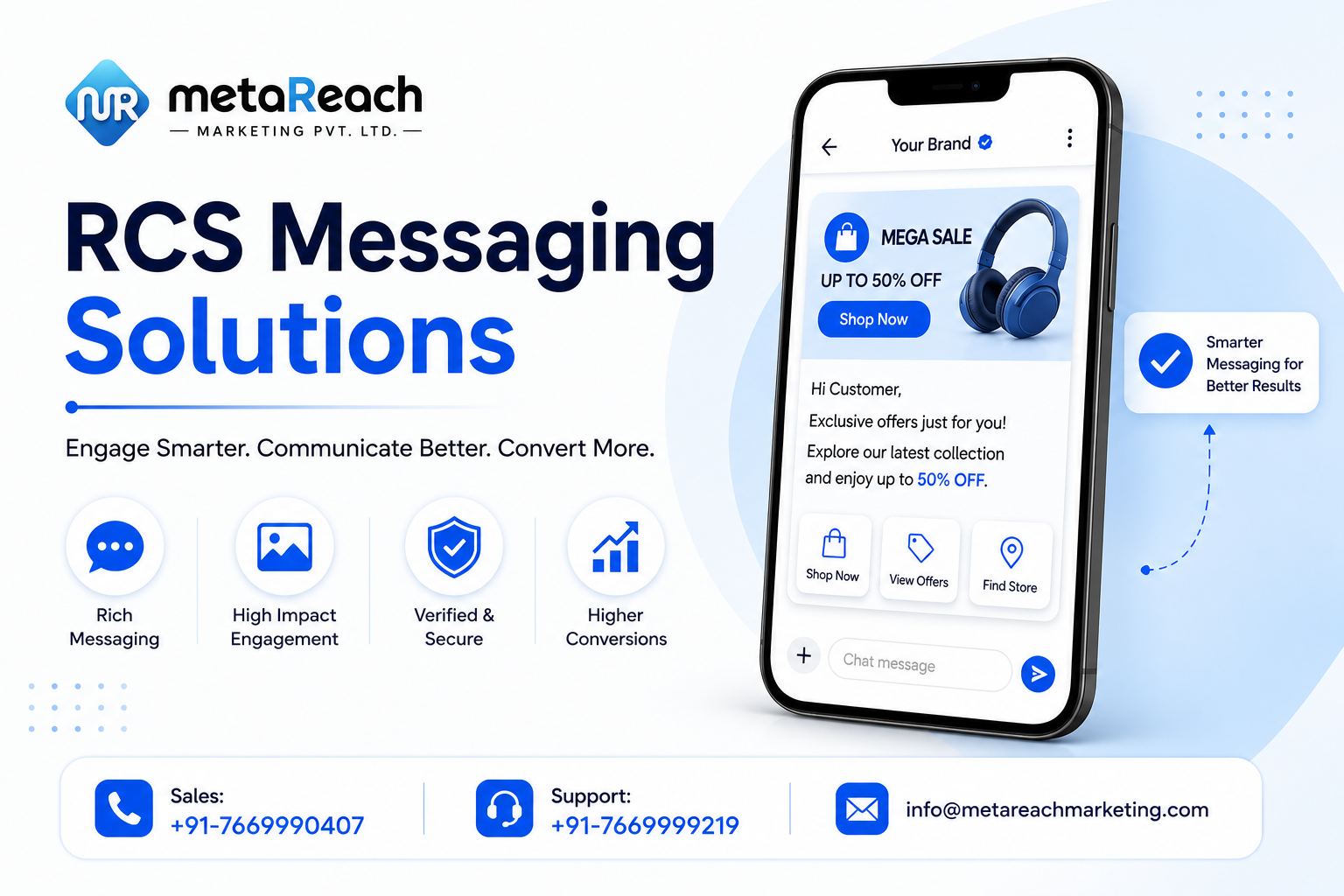
Having access to rich media, verified branding, and interactive buttons does not automatically make an RCS campaign perform well. A poorly designed rich message can underperform a well-written plain SMS, since the extra visual elements only help if they are used deliberately rather than simply included because the format allows it. Businesses new to RCS often focus entirely on the technical setup, verification, DLT registration, carrier coverage, and give far less thought to what actually makes a rich message compelling once it lands in front of a real customer.
Choosing an Image That Does Real Work, Not Just Decoration
The single image or carousel a business chooses for an RCS card should answer a specific question a recipient would otherwise have to imagine unaided: what does this product actually look like, what does this offer actually include, what will this appointment reminder actually involve. A generic stock photo unrelated to the specific offer wastes the visual space RCS provides, while a genuine product photo, a real before-and-after result, or an actual screenshot of what a customer will see next gives the recipient something concrete to react to. This distinction matters more than image quality alone, since a slightly less polished but genuinely relevant image consistently outperforms a beautifully shot but generic one.
Why One Clear Button Beats Three Confusing Ones
RCS allows multiple interactive buttons within a single message, and it is tempting to include several options, view details, call now, visit website, chat with us, all at once. In practice, offering too many choices tends to reduce action rather than increase it, since a recipient faced with several competing options often takes longer to decide and sometimes decides not to act at all. A message built around a single, obvious next step, confirm your appointment, complete your purchase, schedule a call, consistently produces a higher response rate than one asking a recipient to choose between several equally weighted options. If multiple genuine paths exist, it is usually better to test them across separate campaign variants rather than presenting all of them within one message.
Writing Copy That Complements the Rich Media Rather Than Repeating It
A common mistake in early RCS campaigns is writing text that simply describes what the image already shows, which wastes the limited attention a recipient gives to a message. If the card already displays a product image and price, the accompanying text should add something the image cannot, a specific reason to act now, a detail about availability, or a genuine answer to a common hesitation, rather than restating what a recipient can already see for themselves. Short, specific copy that adds new information tends to outperform longer copy that simply narrates the visual content already present in the card.
Why Verified Branding Needs to Be Consistent, Not Just Present
The verified sender badge is a meaningful trust signal, but its value depends on a recipient recognising the brand consistently across every touchpoint. A business whose RCS messages use a different logo treatment, colour scheme, or tone than its website or app creates a subtle disconnect that can undercut the trust the verification itself is meant to build. Keeping visual branding within an RCS card consistent with how a customer already recognises the business elsewhere reinforces the legitimacy signal rather than working against it, which matters especially for a first RCS message a customer receives from a brand they have not yet interacted with through this specific channel.
For a full breakdown of RCS campaign setup, creative templates, and how to build rich cards for your specific industry, this RCS messaging service page covers the complete platform, template design support, and campaign process in detail.
Testing Small Before Committing to a Full Send
Because RCS creative decisions genuinely affect performance, it is worth testing a design against a modest sample of a contact list before rolling it out to an entire audience. Two versions of the same offer, one with a single clear button and one with multiple options, or two different lead images, can reveal which design choice a specific audience actually responds to, rather than assuming a best practice that works generally will automatically translate to a specific customer base. This testing habit costs very little in a channel where sending volume is genuinely flexible, and it consistently improves a business’s understanding of what its own audience responds to over time.
Why the Fallback SMS Version Deserves Attention Too
Businesses across India looking to design RCS campaigns with genuine creative strategy behind the rich media, not just the technical setup, can explore what MetaReach Marketing offers with template design support and testing guidance built into every RCS campaign.